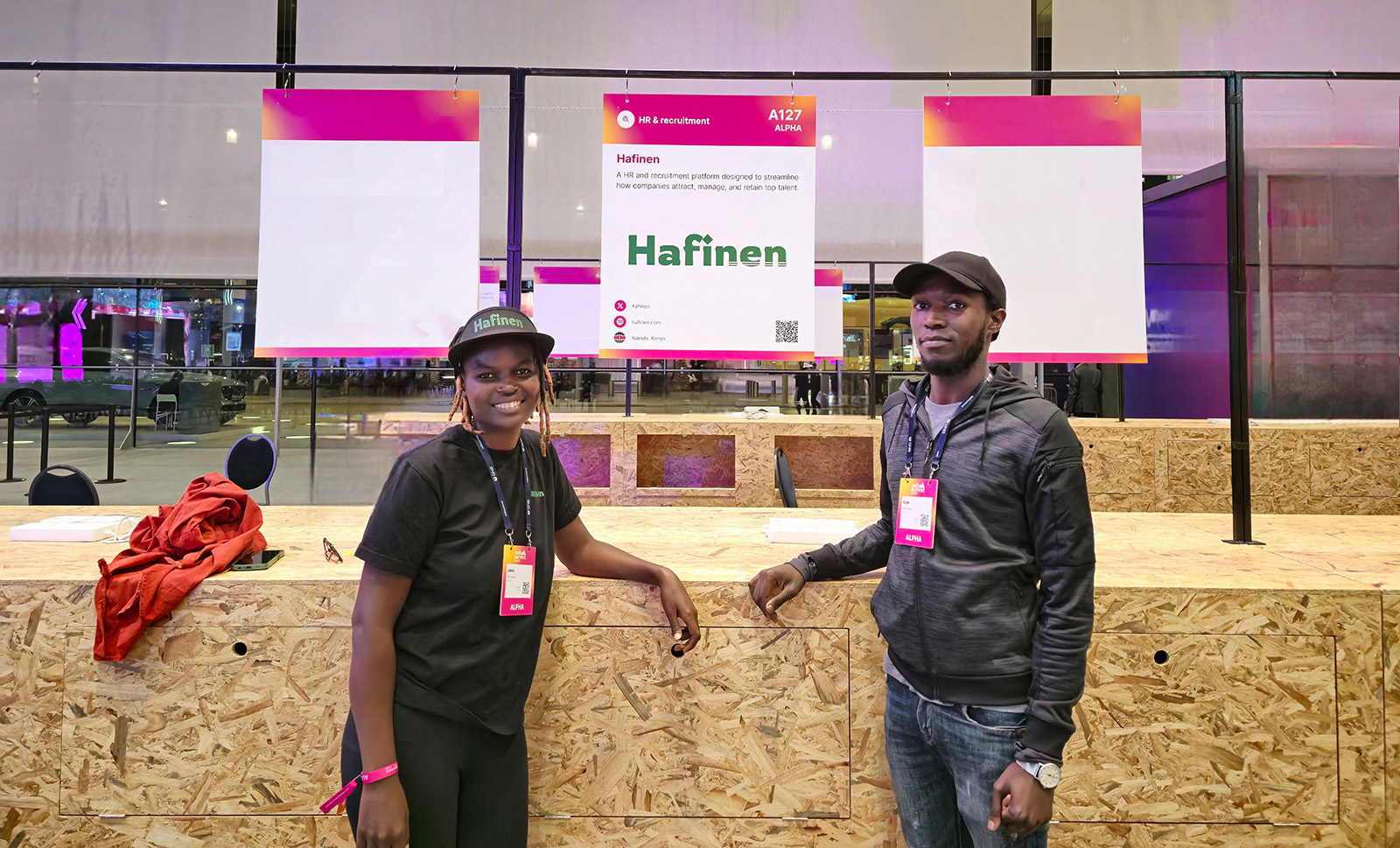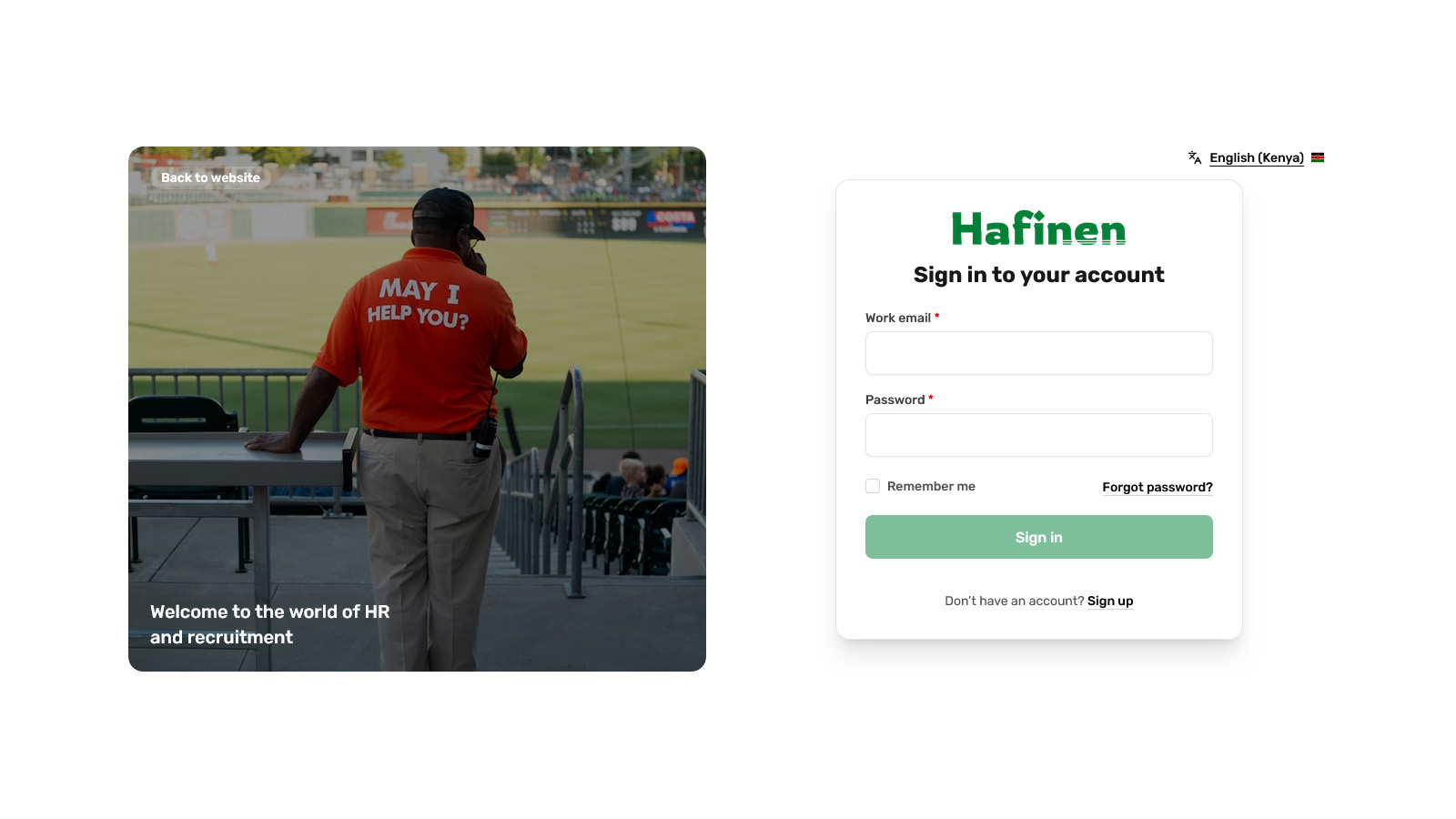

In Kenya today, digital transformation is the new corporate religion. Everyone wants to “automate” “streamline” and “digitize” sometimes without ever asking if the underlying culture is ready for it. Enter Hafinen: a powerful platform designed to help companies manage everything from recruitment to payroll to performance. But here’s the truth: Technology can’t fix bad culture, it only amplifies it.
Or, as one might say in true Kenyan fashion: Ati unajipaka cologne juu hujanawa? (You’re spraying perfume without bathing?)
The myth: tools fix culture (they don’t)
There’s a dangerous assumption spreading through boardrooms and WhatsApp groups of HR managers: “If we just get the right software, everything will fall into place.”
Wrong.
You don’t fix toxic leadership, favoritism, office politics, or disengagement with dashboards and chat systems. If your workplace is a mess, Hafinen will only help you make that mess more organized, more efficient, and more painfully visible.
So how does technology amplify the culture you already have?
Technology doesn’t have morals. It doesn’t have values. It reflects and magnifies what’s already there. Some of Hafinen’s features from performance tracking to anonymous reporting don’t work in a vacuum. They depend entirely on the culture that wields them. How so?
The “family & friends ltd” problem
We all know that Kenyan company where the CEO’s cousin is the Head of HR, the HR’s auntie is the Finance Director, and the Finance Director’s nephew is the CTO. In such environments, introducing Hafinen’s performance tracking is like putting a speedometer on a donkey cart. It will tell you you’re moving slow, but nobody cares because Wanjiku is still getting promoted regardless of actual results.
In a meritocratic culture, this same feature becomes a driver of fairness and retention. People who work hard and perform well are actually rewarded.
Clock-in, Clock-out, Drop dead
Many Kenyan SMEs and retail outfits love strict time-keeping. Hafinen’s attendance and timesheet management can help track lateness with surgical precision. In a toxic culture, this leads to employees being scolded for being 2 minutes late, while the manager comes in at 11am, sunglasses and all.
In a trust-based culture, the same feature supports flexible work and transparent leave management, helping people balance their lives while meeting business goals.
The “suggestion box to nowhere”
You’ve seen them: those dusty suggestion boxes no one opens. Hafinen’s anonymous workplace concerns tool is the digital version but if leadership ignores reports or punishes whistleblowers, the only thing you’re amplifying is fear.
In a psychologically safe environment, this feature surfaces real issues early before they escalate into legal nightmares or media scandals.
Hafinen features that can make or break workplace culture
| Feature | How it amplifies dysfunction | How it drives success |
| Performance tracking & appraisals | Reinforces favoritism if results don’t matter | Rewards merit and encourages growth |
| Anonymous workplace reporting | Discourages honesty if nothing changes | Encourages reporting and safety |
| Collaborative hiring tools | Promotes bias if diversity isn’t valued | Brings collective wisdom into hiring decisions |
| Internal chat & communication | Fuels gossip in backbiting cultures | Builds transparency and collaboration |
| Time & leave management | Becomes a tool for micromanagement | Supports work-life balance and fairness |
| Training & onboarding | Turns into a tick-box exercise | Drives genuine employee development |
Understanding the mixed bag that is the Kenyan workplace reality
Many Kenyan workplaces are stuck in the middle. We have ambitious tech adoption without matching cultural evolution. We throw tools at problems instead of fixing the root causes:
- We want to “digitize HR” but still promote based on tribe, age, or who bought lunch last week.
- We want “data-driven decisions” but still hold secret backroom meetings that determine outcomes.
- We want “employee engagement” but still overwork staff without recognition or reward.
In such environments, Hafinen’s tools can’t help you unless you first commit to cultural transformation.
So how can Kenyan businesses align culture & technology?
- Start with leadership: If your leaders don’t embody fairness, transparency, and accountability, no tool will fix that.
- Communicate values clearly: Use Hafinen’s internal tools to consistently reinforce your workplace values.
- Train continuously: Leverage Hafinen’s training management to build soft skills alongside technical ones.
- Reward the right behavior: Make sure your performance appraisals align with cultural expectations.
- Listen and act: If you use anonymous reporting, act on it visibly. Nothing kills trust faster than silence.
Leadership first, tools second
In the end, Hafinen is like a mirror. It shows you what you really are. For Kenyan businesses, the challenge isn’t to find better tools, it’s to build better cultures that can actually use those tools for good. Otherwise, you’re just dressing up dysfunction with dashboards and automated leave forms.