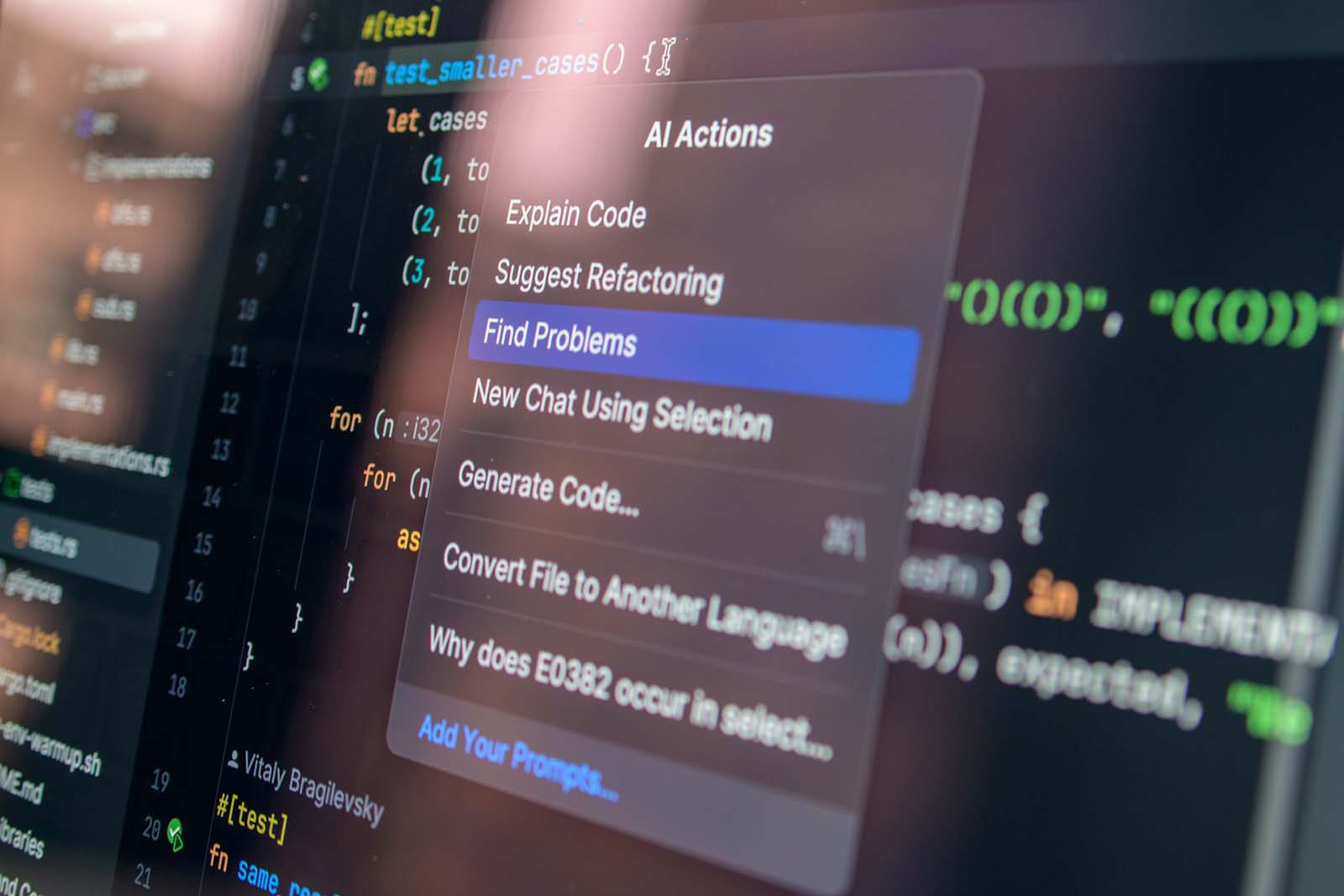

The rise of AI tools has changed how developers write code, debug issues, and learn new technologies. For teams that regularly interview engineers, a common question keeps coming up: Has the quality of candidates changed since AI became part of the development workflow?
Many hiring managers and interviewers are noticing shifts. But the answer is not as simple as “better” or “worse.” The real change is how skills are distributed and how candidates approach problems.
For companies building engineering teams today, understanding this shift is becoming important for designing better interviews and fairer evaluation methods.
Skill distribution has changed
AI has not suddenly made developers less capable but rather changed which skills show up strongly during interviews. Before AI tools became common, developers relied heavily on memory and repetition. Developers spent more time recalling syntax, patterns, and common algorithms from experience.
Now, developers work differently.
AI tools help generate code, explain unfamiliar syntax, and suggest fixes. This allows engineers to move faster, but it also changes what they practice regularly. As a result, some skills appear stronger while others appear weaker.
Skills that appear stronger after AI
Many candidates now show strengths in areas such as faster code generation, better documentation habits, exposure to more frameworks and libraries, faster prototyping, and ability to explore unfamiliar problems quickly.
Because AI tools can explain code and suggest patterns, developers are exposed to more ideas in less time. This can make candidates appear more versatile during interviews.
Skills that sometimes appear weaker
At the same time, interviewers are noticing weaknesses in other areas which include:
- Deep debugging without assistance
- Edge-case thinking
- Explaining trade-offs in architecture decisions
- Understanding performance implications
- Reasoning step-by-step without external tools
When developers rely heavily on AI suggestions, they may not always practice breaking problems down from first principles. This is not always a lack of intelligence. It is often a shift in daily workflow.
The biggest difference between pre-AI and post-AI candidates is how they solve problems.
Before AI
Developers often followed a more linear process:
- Understand the problem
- Recall known patterns
- Write code from memory
- Test and refine
This approach relied heavily on internal knowledge and experience.
After AI
Developers increasingly work in a loop:
- Break down the problem
- Generate an initial solution
- Validate or refine the output
- Improve the solution through iteration
AI becomes part of the thinking process. Instead of memorizing everything, developers focus on directing tools and evaluating results. In many ways, modern engineers are learning to orchestrate solutions rather than recall them.
Has the hiring bar changed?
Many companies are still trying to answer this question. Some interviewers feel that candidates struggle more with basic coding exercises. Others believe candidates are stronger overall because they have wider exposure to tools and frameworks.
The reality is that the hiring bar itself is evolving and many engineering teams are adjusting how they evaluate candidates. Instead of focusing only on code recall, they are paying more attention to how candidates break down unfamiliar problems, explain their decisions, evaluate different approaches, and debug unexpected behavior.
These skills matter even more in an AI-assisted development environment. Companies that continue to evaluate only memorization or textbook exercises may miss strong candidates who think differently.
What interviewers should be measuring now
AI is changing how developers work, so interviews should measure the skills that matter in this new environment. Several areas are becoming more important when evaluating engineers. These areas include:
1. Problem decomposition
Strong candidates can take a complex problem and divide it into smaller, manageable pieces. Even when using AI tools, clear thinking about the structure of a problem remains essential.
2. AI collaboration skills
Developers are increasingly working alongside AI tools. Good engineers know how to:
- Ask clear questions
- Review generated code
- Improve incomplete solutions
- Detect incorrect suggestions
This has made the ability to guide AI effectively is becoming a real engineering skill.
3. Trade-off awareness
Great engineers rarely choose solutions blindly. They think about performance, maintainability, complexity and scalability. Candidates who can clearly explain why they made a choice often stand out in interviews.
4. Debugging and verification
AI can suggest solutions, but it cannot fully replace debugging skills. Interviewers should look for candidates who can identify why something fails, test assumptions and validate results. Verification is becoming more important as AI tools generate more code.
5. Communication
Engineering work rarely happens in isolation. Developers need to explain their ideas to teammates, product managers, and stakeholders. Candidates who can clearly explain their reasoning often perform better after hiring.
Why structured hiring matters more than ever
As candidate behavior changes, hiring processes must adapt. Unstructured interviews often produce inconsistent decisions because each interviewer focuses on different signals. Many companies are moving toward structured hiring approaches where interviewers evaluate candidates against defined criteria. This helps teams:
- Compare candidates fairly
- Reduce bias in hiring decisions
- Capture consistent interview feedback
- Track how hiring signals relate to real job performance
Platforms like Hafinen are increasingly used to support structured hiring processes, performance tracking, and team management. This allows organizations to connect how candidates perform in interviews with how they perform after joining the team.
Over time, this data helps companies refine what they measure during interviews.
AI does not replace strong engineers
One important point often gets lost in discussions about AI and coding. AI does not turn weak engineers into great ones. Instead, it amplifies the ability of strong engineers. Developers who already understand systems, trade-offs, and problem solving can use AI tools to move faster and explore more ideas.
Developers who rely entirely on generated code often struggle when systems become complex or unpredictable. This is why evaluating reasoning and decision-making remains critical during interviews.
The real question for hiring teams
The discussion should not focus only on whether candidate quality has changed. A more important question is this: Has your hiring process adapted to how engineers work today?
Teams that update their evaluation methods will identify strong candidates more reliably while teams that continue to rely on outdated interview formats may misjudge capable engineers or hire people who perform poorly once the work becomes complex. As AI becomes a normal part of development workflows, hiring processes will continue evolving. Organizations that adapt early will build stronger engineering teams in the long run.